

ANTHRO-LAWSOC

Singapore's lawyer attrition is a system problem, not a problem of individual will. Anthro Insights recommends an ecosystem response.
WORKPLACE
Measuring wellbeing and organisational culture
A firm can tell you by Tuesday how Monday went financially. Ask about the culture on its floors or the state of its people and the honest answer is at best, a hunch. We measured both, across 855 lawyers, and show how it can be used to predict who leaves a firm and who leaves the legal sector altogether.


Principles of effective 360° reviews
Most feedback is well-intentioned. A great deal of it does nothing. A surprising amount makes things worse. We design feedback that people can use and actually improve.


Diagnosing deep employee disengagement
A survey may show that engagement is low; it can't say why. Through in-depth conversations, we identified the specific drivers of disengagement and how to fix first.


MARKETPLACE
Consumer behaviour research to understand why a well-liked product was not performing as expected
Two-thirds of tea drinkers knew the brand; fewer than one in six had tried it. Our consumer study pinpointed where buyers dropped off and what would turn awareness into trial.


Understanding what property owners look for in an agency when buying/selling their property
High brand awareness does not always translate to consumer choice. We worked with a property agency to understand the psychology of their potential clients.


NONPROFIT


ANTHRO NEWS

Farmer, plumber, lift technician: More young people in Singapore drawn to skilled trades
The Straits Times asked Issac about the momentum behind skilled trades. He thinks the trend is real but fragile — and the two structural barriers, stigma and the pay gap, that will decide whether it lasts.

SIA, Scoot need to keep an eye on morale as they absorb Jetstar staff
Issac speaks to The Straits Times on what it actually takes to absorb 300 incoming staff: the dual emotional task of managing identity disruption among the new arrivals while addressing the existing team's anxieties about fairness, promotion and favouritism.
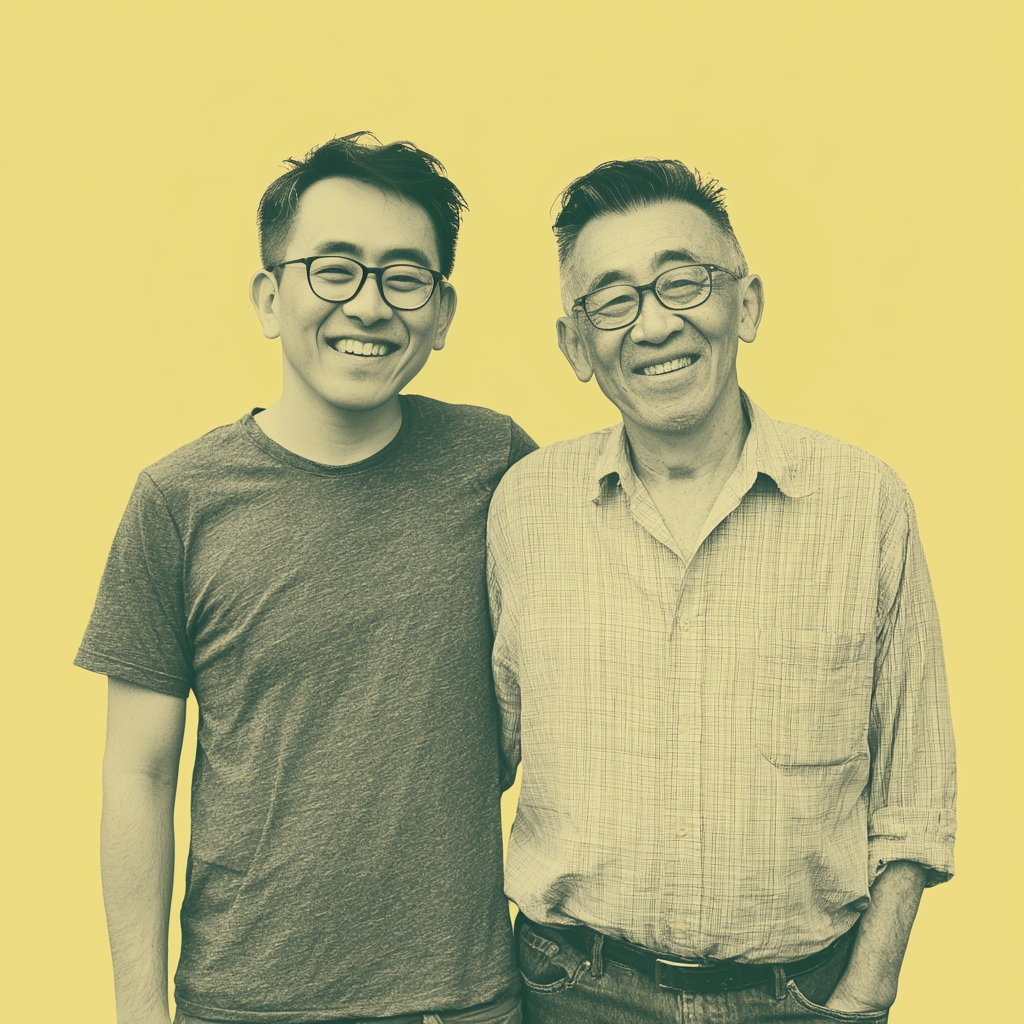
Do Gen Zs tackle life and work differently from their parents?
A culture of constant comparison has produced a more uncertain generation, which is why the younger generation expects more frequent, real-time feedback at work than the systems built for their parents were designed to give. Issac shares his view with The Straits Times on the root of Gen Z anxiety: Social Media.
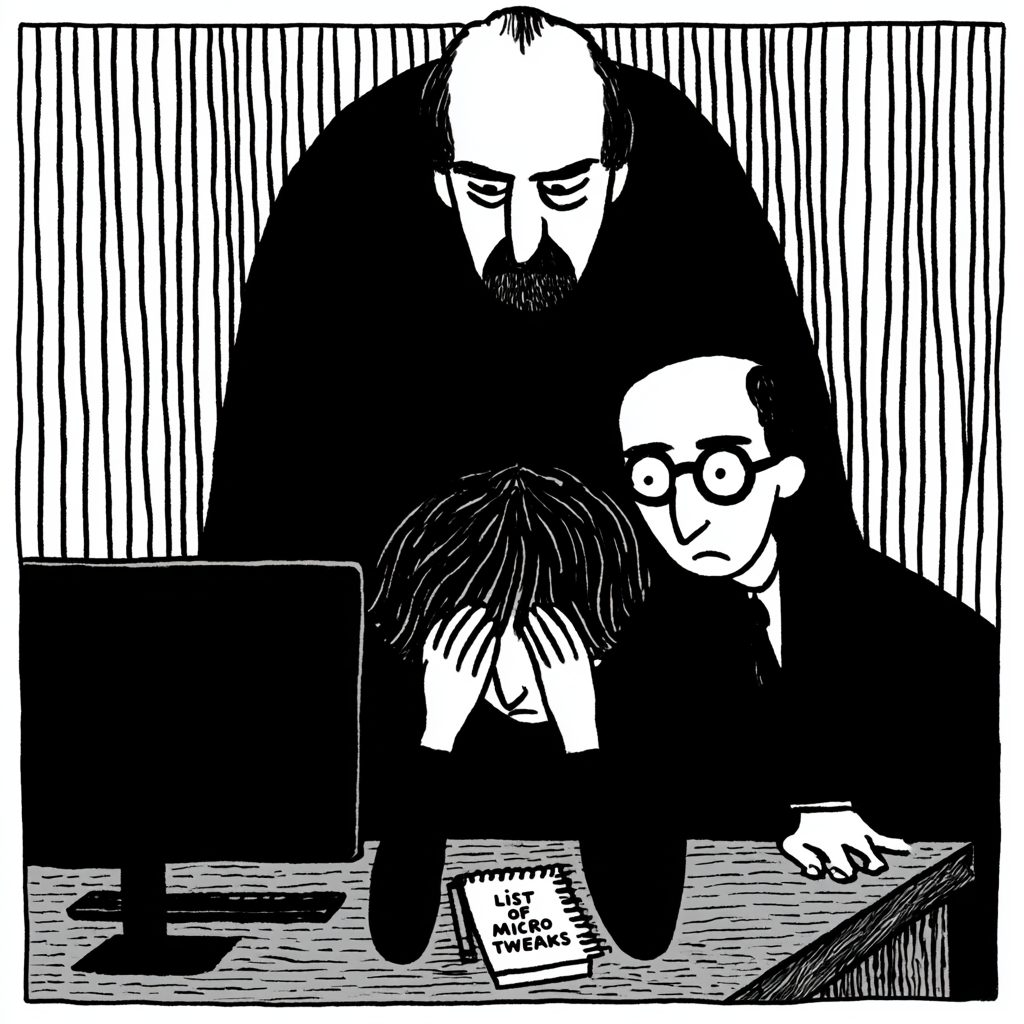
Why does your boss want you back in the office?
Issac debates live on Money FM 89.3 regarding work arrangements. Productivity is about outcomes, not hours visible at a desk, and rigid office mandates risk both talent and the talent pool.

Eat, play, live in 2025: More will work from the office, but hybrid is here to stay, say experts
Issac explains why he thinks the hybrid won't reverse: pandemic-era arrangements have permanently shifted what workers expect, and firms that mandate full-time office attendance for work that doesn't require it quietly signal their culture — and lose people to those who don't.
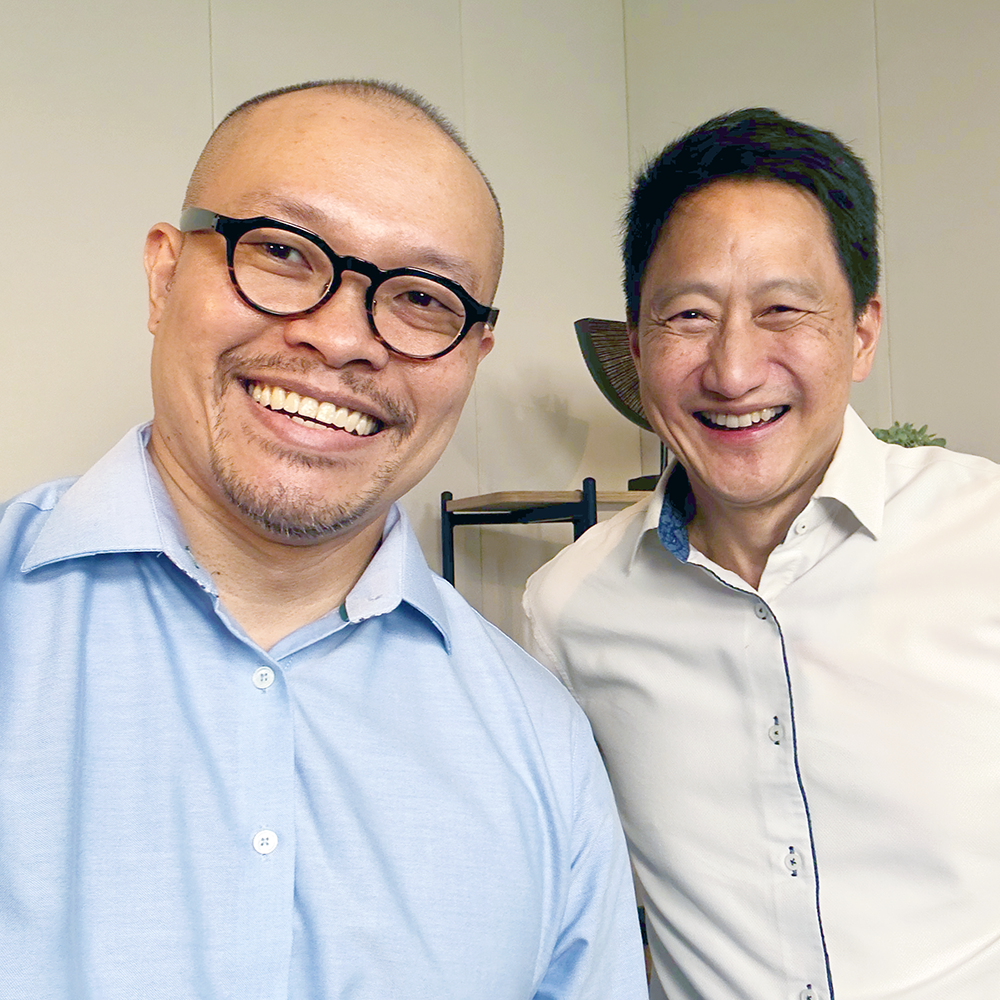
Why are companies mandating five days return to office?
Issac goes on ChannelNewsAsia's Deep Dive podcast to unpack the assumption underneath the mandate: that physical presence equals productivity. Issac joins Karen Teo, Country Manager from recruitment firm Quess, and hosts Steven Chia and Crispina Robert of CNA.

The unfair advantage of having dyslexia
A essay by Anthro's founder Issac Lim. A dyslexic and advocate, he argues that schools have confused preparing children for high-stakes exams with preparing them for life — and that, in an AI era, schools should double down on cultivating compassion, curiosity, critical thinking, and collaboration.

Return-to-office arrangements in S’pore still in flux two years after pandemic
Issac's read on the misplaced assumption beneath most return-to-office policies — that hours in the office mean productivity, and constant availability means efficiency. The reality is that everyone, not only the young, values flexibility.

Stereotyping at work
Issac joins SMU's Prof Paulin Tay Straughan, and hosts Jonathon Tiong and Krist Boo on The Straits Times podcast, Work Talk. They discuss how stereotyping plays out in real workplaces, and why diversity training mostly fails to dislodge it, because socialisation, not ignorance, is what holds it in place.